Joanna Woronkowicz, Indiana University
“Being an artist is not viewed as a real job.”
It’s a sentiment I’ve heard time and again, one that echoes across studios, rehearsal halls and kitchen...

Joshua Stillwagon, Babson College
President Donald Trump seems to want to have it both ways on the U.S. economy.
On the one hand, he recently said the economy is in its...

Julie Wolfe, University of Colorado Anschutz Medical Campus
Mental health challenges can affect anyone, regardless of background or circumstance, and they are becoming more common across the United States.
In 2022,...
Joshua Cowen, Michigan State University
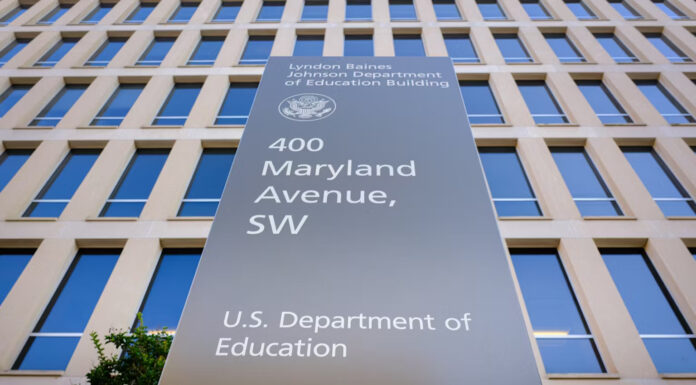
A federal judge on Oct. 16, 2025, paused the Trump administration’s latest round of layoffs, which targeted more than 4,000 federal workers at a range of agencies, including 466...

Patrick Aguilar, Washington University in St. Louis
There are almost 1.1 million licensed physicians in the United States. That may sound like a lot, but the country has struggled for decades to train enough...

Christine Keiner, Rochester Institute of Technology
If you visit the Erie Canal today, you’ll find a tranquil waterway and trail that pass through charming towns and forests, a place where hikers, cyclists, kayakers, bird-watchers...

Chris Wegemer, University of California, Los Angeles
Artificial intelligence technology has begun to transform higher education, raising a new set of profound questions about the role of universities in society. A string of high-profile...

Soon Hyeok Choi, Rochester Institute of Technology
In today’s hot housing market, winning a bidding war can feel like a triumph. But my research shows it often comes with a catch: Homebuyers who win...