Tag: Marine biology
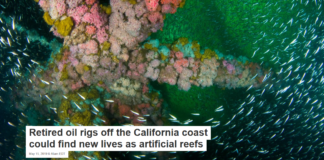
Retired oil rigs off the California coast could find new lives...
Ann Scarborough Bull, University of California, Santa Barbara and Milton Love, University of California, Santa Barbara
Offshore oil and gas drilling has been a contentious...
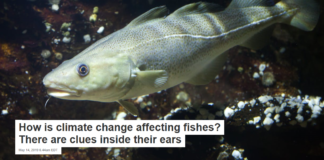
How is climate change affecting fishes? There are clues inside their...
Karin Limburg, State University of New York College of Environmental Science and Forestry
Climate change affects all life on Earth, but it poses unique challenges...
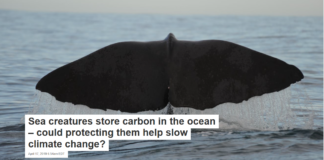
Sea creatures store carbon in the ocean – could protecting them...
Heidi Pearson, University of Alaska Southeast
As the prospect of catastrophic effects from climate change becomes increasingly likely, a search is on for innovative ways...
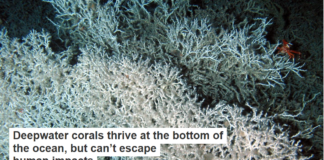
Deepwater corals thrive at the bottom of the ocean, but can’t...
Sandra Brooke, Florida State University
When people think of coral reefs, they typically picture warm, clear waters with brightly colored corals and fishes. But other...
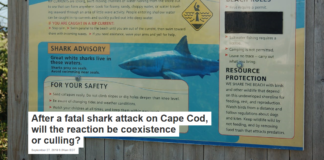
After a fatal shark attack on Cape Cod, will the reaction...
Carlos G. García-Quijano, University of Rhode Island
Interactions between people and animals offer insights into human culture and societies’ core values. This is especially true...
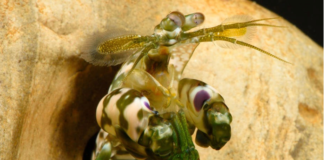
A cooler ocean predator than sharks? Consider the mantis shrimps
Thomas Cronin, University of Maryland, Baltimore County
When you think about fearsome predators in the ocean, the first thing that pops into your mind is...
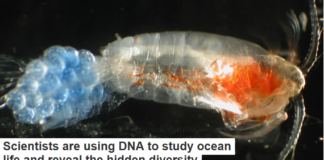
Scientists are using DNA to study ocean life and reveal the...
Ann Bucklin, University of Connecticut
Marine zooplankton are tiny animals, roughly the size of insects you might see on a summer day, that drift with...
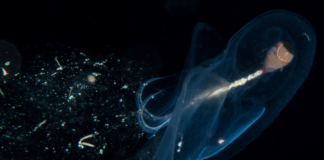
Meet the ocean creatures that use a mesh of mucus to...
Kelly Sutherland, University of Oregon
All animals must eat to survive. If you’ve heard the term “grazer” before, it may bring to mind familiar farm...
EXPLORING NATURE

Trump’s EPA decides climate change doesn’t endanger public health – the...
Jonathan Levy, Boston University; Howard Frumkin, University of Washington; Jonathan Patz, University of Wisconsin-Madison, and Vijay Limaye, University of Wisconsin-Madison