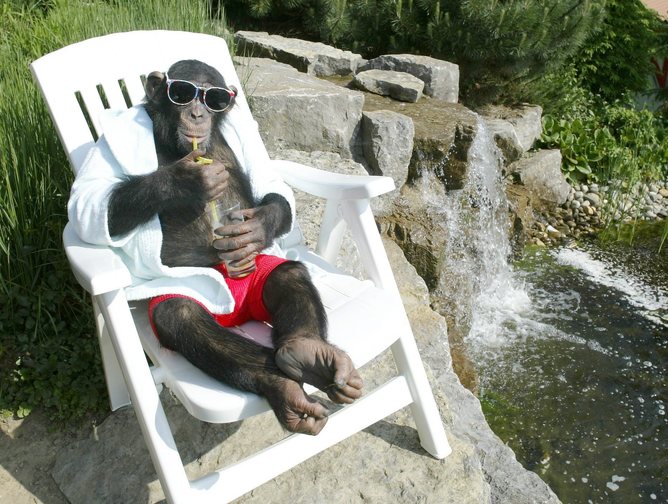
Drunken monkeys? Only humans really don’t know when they’ve had enough
Robert John Young, University of Salford
Some wild west African chimpanzees are teetotallers, whereas others are frequent drinkers given the opportunity – consuming the equivalent...
Tiny beads, big problem, easy fix: why scientific evidence supports a ban on microbeads
Chelsea Rochman, University of California, Davis and Sara Kross, University of California, Davis
Every day, millions of people around the world wash their skin and...
How much government surveillance will Americans accept?
Darren Davis, University of Notre Dame
The expiration of key provisions of the US Patriot Act – and the passage of the USA Freedom Act...
Should I stay or should I go: timing affects hurricane evacuation decisions
Hugh Gladwin, Florida International University
This article is part of The Conversation’s series this month on hurricanes. You can read the rest of the series...
Health Check: can your brain be ‘full’?
Fiona Kumfor, Neuroscience Research Australia and Sicong Tu, Neuroscience Research Australia
The brain is truly a marvel. A seemingly endless library, whose shelves house our...
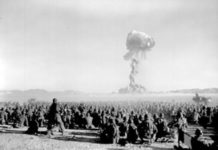
How national security gave birth to bioethics
Jonathan D Moreno, University of Pennsylvania
Starting near the end of World War II and continuing until the 1970s, the US government sponsored radiation experiments...

Is today’s university the new multinational corporation?
Jason Lane, University at Albany, State University of New York and Kevin Kinser, University at Albany, State University of New York
A growing number of...
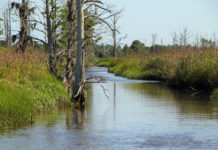
EPA’s Clean Water Rule: what’s at stake and what comes next
Adell Amos, University of Oregon
Last week, the Environmental Protection Agency and the Army Corps of Engineers released the long-anticipated Clean Water Rule. The new...