
Bacteria on shoes could help forensic teams catch suspects
Stefano Vanin, University of Huddersfield
Prospective criminals should take note: bacteria are everywhere. A small pilot study has shown that the germs on personal belongings...
No bones about it: sharks evolved cartilage for a reason
John Long, Flinders University
Sharks are one of the oldest and least changed of all the living back-boned jawed creatures. But because their skeletons are...
Ocean ‘dead zones’ are spreading – and that spells disaster for fish
Lee Bryant, University of Bath
Falling ocean oxygen levels due to rising temperatures and influence from human activities such as agrochemical use is an increasingly...
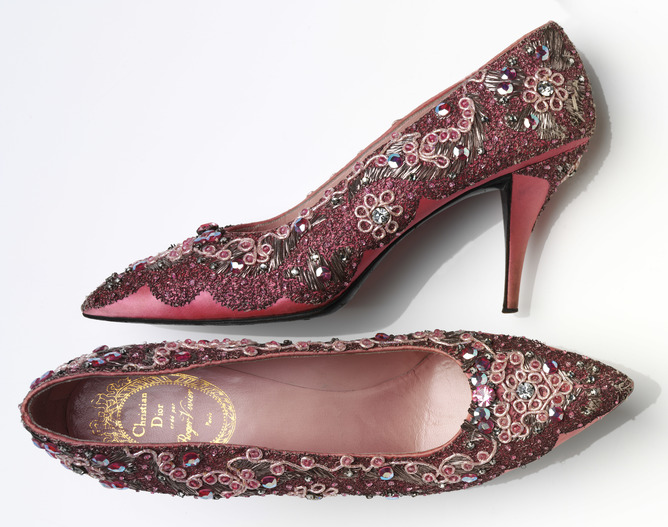
The history of shoes has been frivolous, ridiculous and extreme
Naomi Braithwaite, Nottingham Trent University
Shoes long ago eclipsed their primary function – to protect feet. For thousands of years shoes have elicited extremes of both...
Animal research provides a flawed model, so why not stop?
Monika Merkes, La Trobe University
Much of the research involving the development of new drugs still uses animals. Apart from moral questions about inflicting pain...
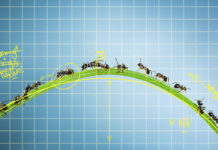
Why we fell out of love with algorithms inspired by nature
Alexander Brownlee, University of Stirling and John R. Woodward, University of Stirling
While computers are poor at creativity, they are adept at crunching through vast...

Why the ‘love hormone’ may be less rosy and more rosé than we thought
S Craig Roberts, University of Stirling
A decade ago, a revolutionary paper showed that a hormone called oxytocin can actually make us trust other people....
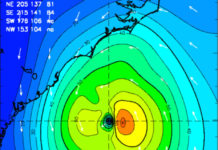
There are better ways to quantify how big and bad a hurricane is
Vasu Misra, Florida State University and Mark Powell, Florida State University
This article is part of The Conversation’s series this month on hurricanes. You can...