Treating hidden wounds – the case for putting psychologists in trauma programs
Kamela K Scott, University of Florida and David Chesire, University of Florida
Imagine this: A 17-year-old girl has been shot in an apparent mall robbery....
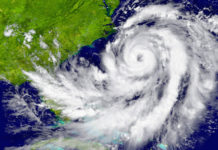
Extreme hurricanes show benefits of pooling catastrophic risks across states
Randy E Dumm, Florida State University
This article is part of The Conversation’s series this month on hurricanes. You can read the rest of the...

Human experiments – the good, the bad, and the ugly
Anthony Wrigley, Keele University
Research involving human subjects is littered with a history of scandal that often shapes people’s views of the ethics of research....

For women even a small co-pay for contraception can be a big deal
Vanessa K Dalton, University of Michigan and Lauren MacAfee, University of Michigan
On May 11 the Obama administration released updated guidance on insurance coverage of...

Why is oil and gas activity causing earthquakes? And can we reduce the risk?
Matthew Hornbach, Southern Methodist University
If you’ve been following the news lately, chances are you’ve heard about – or even felt – earthquakes in the...

Are we eating too much arsenic? We need better tests to know
Julian Tyson, University of Massachusetts Amherst
Researchers have known for some time that the food and drink we all consume contains arsenic.
Should we be concerned?...

Is academic freedom a license to provoke without consequences?
Bruce Barry, Vanderbilt University
Does academic freedom entitle university professors to be as provocative as they wish when expressing their views on issues of the...
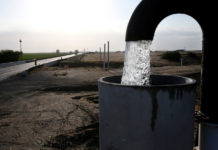
How to save California’s precious groundwater, the ‘dark matter’ of our water world
Graham Fogg, University of California, Davis
As California suffers its fourth year of drought, much of the attention is focused on the state’s groundwater –...